
#1 Top-tier IP Stresser and Booter
Before we get into all the ways they can be used for harm — let’s break down the key differences between IP stressers and booters and the different roles they play in cybersecurity. We’ll also walk you through the best ways to protect yourself or your business from DDoS attacks. With other attacks such as SYN floods or reflection attacks such as NTP amplification, strategies can be used to drop the traffic fairly efficiently provided the network itself has the bandwidth to receive them. Application layer attacks require an adaptive strategy including the ability to limit traffic based on particular sets of rules, which may fluctuate regularly. Because each bot in a botnet makes seemingly legitimate network requests the traffic is not spoofed and may appear “normal” in origin.
- These operations demonstrate not only the technical capabilities of DDoS-for-hire services but also their profound impact on businesses (infrastructure), and individuals.
- Law enforcement agencies worldwide are vigorously attempting to halt booter services and apprehend their operators due to their unlawful characteristics.
- Additionally — we will guide you through the most effective methods to safeguard yourself or your business against DDoS attacks.
- A well-known incident notably disrupted Dutch banking systems, rendering numerous customers unable to access their accounts for hours or even days.
- It provides insights into network activity (identifies suspicious behavior through event correlation and threat intelligence), counteracts threats, and supplies templates for audit-ready reports.
Ways in Which Contract Professionals Can Enhance Productivity for Your Team
Featuring advanced capabilities, the testing platform includes a virtual network that allows you to create an environment for testing various scenarios. These testing platforms come equipped with analytical tools and logging capabilities. Therefore — if you inadvertently engage a hacker for a DDoS attack while seeking a web service capacity test, you might be unwittingly presenting your business to ransom hackers. The phrases “IP stresser” and “stresser” carry dual meanings — referring both to legitimate business services and systems for hire to conduct DDoS attacks. A collection of compromised computers that await the same command is termed a “botnet. A “distributed denial of service” attack refers to the situation where numerous computers send connection requests simultaneously to a single web server.
For example (the server may experience significant CPU usage and 100% bandwidth utilization during such a test), which could expose vulnerabilities. You will also learn how they differ from illegal DDoS services (their ethical issues), and their importance as best practices for cybersecurity. An IP Stresser is an increasingly useful tool for identifying vulnerabilities before attackers take advantage of them by faking high network traffic. Encryption ddos botnet trojan ddos-attacks botnet-lab python-bot ddos-tool ddos-attack botnet-tools malwar encrypted-traffic Html bot php botnet advanced persistence python3 slave rat pentest ddos-tool remote-admin-tool remote-admin-trojan built-in-binder bypass-vm windows-botnet kratosknife built-in-crypter built-in-password-stealer free-botnet Because of their illegal nature, Law enforcement agencies around the world are actively working to stop booter services and detain those who operate them.
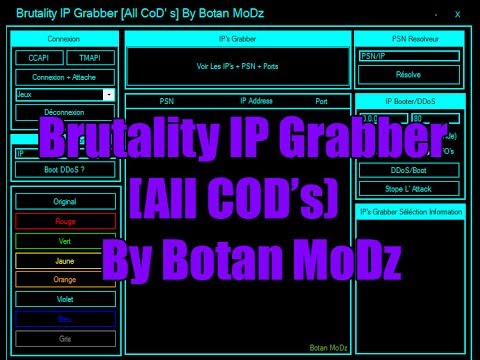
Initiating the Process
The operational mechanics of these services reveal their sophisticated and highly organized approach to what is now often referred to as cybercrime-as-a-service. In theory, these tools can be valuable for organizations aiming to identify and address vulnerabilities in their systems before real-world issues arise. Despite increased scrutiny and crackdowns by authorities, these services continue to proliferate, posing ongoing threats to cybersecurity worldwide.
Combatting cybercrime demands ongoing vigilance (proactive strategies), and continuous education to remain ahead of these increasingly sophisticated threats. Such attacks can have a dire impact (resulting in considerable financial losses), operational interruptions, and enduring harm to reputation. The emergence of IP booters and stressers has made cybercrime more accessible, enabling individuals with minimal technical expertise to conduct powerful Distributed Denial of Service (DDoS) attacks. These free hours allow you to explore Flood.io without incurring any costs. Flood.io creates its virtual users (VUs), eliminating the risk of this service being executed through a botnet.
Investigators were able to identify its operator through a series of mistakes, including using the same email address to register the service and order pizza deliveries. The operators of vDoS reportedly earned significant revenue from its subscription-based business model, solidifying its place as a dominant player in the illegal DDoS-for-hire market until its eventual shutdown. VDoS, which operated until 2016, gained notoriety as one of the most reliable and professional booter services in cybercriminal circles. One of its most well-documented attacks caused significant disruptions to Dutch banking systems, leaving countless customers unable to access their accounts for hours or even days. This combination of flexible pricing and accessibility has lowered the barrier to entry for launching sophisticated cyberattacks, making it a rapidly growing threat. These platforms have made it easier than ever for even non-technical individuals to launch devastating cyberattacks by providing ready-to-use tools and infrastructures designed with user accessibility in mind.
CheckHost Tools:
- Booter services operate on a pay-per-use model, where attackers can purchase access to DDoS attack capabilities.
- You have logged in using a different tab or window.
- The attack consumes resources such as memory (processing power), and bandwidth.
- The utilization of Bitcoin is partly due to its capability to conceal identities.
And because DDoS attacks often affect systems in multiple countries — attackers can face international ip stresser prosecution. DDoS booter services are often marketed as tools for testing a network’s defenses (but in reality), they’re not suitable for legitimate testing. These devices are grouped together into a botnet — which then targets uncontrolled network traffic to the victim.
If the public doesn’t see the endpoint, attackers can’t hit it with an IP stresser. Because attackers assume you don’t have the budget or skills to stop them. A quick Google search for “free IP stresser” or “IP stresser free” brings up pages of shady websites offering instant access.
The Effect of IP Booters and Stressers on Your Business Operations
Communicate clearly with your internal teams as well as customers using prepared updates instead of ad-hoc messages. It’s always better to work with trusted cybersecurity partners because they follow compliance standards and ensure your testing stays within legal limits. These allow organizations to simulate real users and measure system performance. To prevent or reduce the impact of IP stresser attacks, you must strengthen the security of your business website.
By providing diverse attack strategies, booter services empower users to tailor their attacks to particular targets and vulnerabilities. These attacks are fueled by networks of compromised computers (referred to as botnets), which are under the control of the service operators. Utilizing these tools enables even those lacking hacking expertise to disrupt online services (resulting in significant downtime), financial harm, or reputational detriment for the targeted organization. Given the escalating threat level, organizations need to prioritize cybersecurity as an essential component of their operations. The ease of access and low cost of these tools have positioned them as one of the most substantial threats to contemporary businesses. Such disruptions pose a significant risk for firms that depend on continuous online operations, including e-commerce retailers, service providers, and financial institutions.
L4 Powered by Botnet
Astra Stresser stands out for its focus on user-friendliness while offering powerful testing options. Organizations heavily invested in cybersecurity measures may find Palo Alto Stresser particularly beneficial as part of a broader security strategy. This service ensures anonymity while performing stress tests — offering several unique protocols for testing. Known for its reliability, Havoc supports multiple protocols, including TCP and UDP. Ethical guidelines dictate that individuals should only stress test their own networks or those for which they have explicit permission.
You may notice a sharp rise in bandwidth usage, even though user behavior metrics remain unchanged. Reputation (once damaged), takes a long time to repair because customers remember poor experiences long after operations return to normal. For an e-commerce business, even a few minutes of outage can result in abandoned carts and lost sales. DDoS attacks often impact systems in multiple countries — which means attackers may face international prosecution. The layered approach puts pressure on both network bandwidth and specific services — making it hard to stop the disruption.

DigiCert UltraDDoS Protect is an advanced — enterprise-grade solution designed to safeguard organizations from distributed denial-of-service (DDoS) attacks. Both are now more easily available online, making it simpler for attackers, even those with limited technical knowledge, to launch disruptive campaigns. The threat posed by IP booters and stressers continues to expand as these malicious services become increasingly sophisticated and readily accessible to a broader audience. This involves not only investing in robust on-premise bandwidth but also utilizing cloud-based scaling solutions to dynamically increase capacity during attack periods, ensuring uninterrupted service for legitimate users. Partnering with a trusted DDoS mitigation provider ensures that organizations can maintain uptime, preserve performance, and protect their digital assets in an increasingly threat-prone environment. By utilizing advanced threat intelligence (traffic filtering), and scalable cloud-based infrastructures, DDoS mitigation providers are capable of handling even the most sophisticated and high-volume attacks.